
 EN
 AR
 BG
 HR
 CS
 DA
 NL
 FI
 FR
 DE
 EL
 IT
 KO
 NO
 PL
 PT
 RO
 RU
 ES
 SV
 TL
 IW
 ID
 LV
 SR
 SL
 UK
 VI
 HU
 TH
 TR
 FA
 AF
 MS
 GA
 BE
 IS
 HY
 BN
 LO
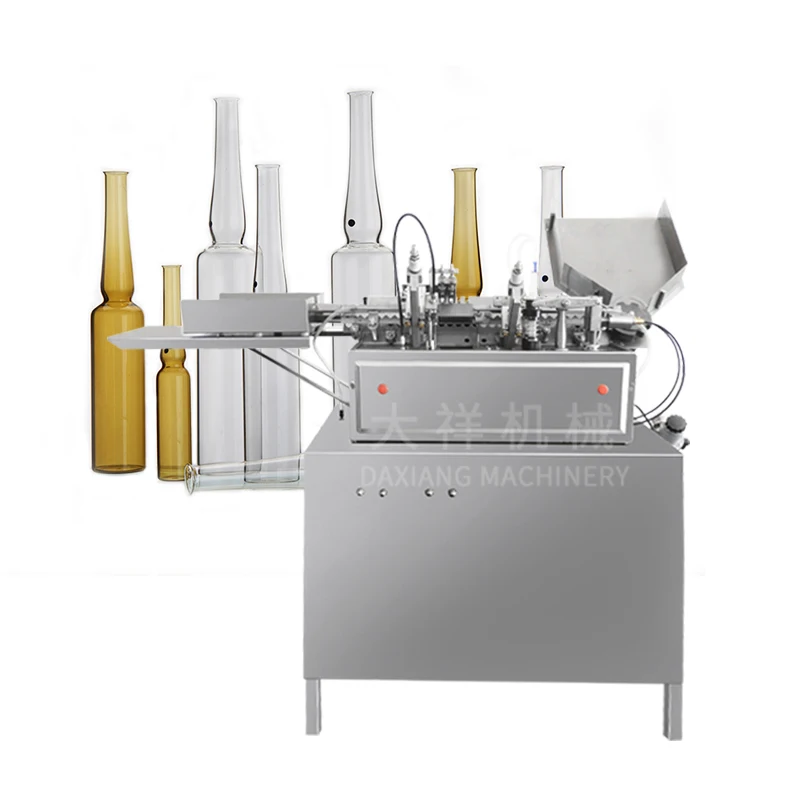
Choosing the right ampoule filling and sealing machine is essential for companies in the food, healthcare, chemical, and cosmetics industries. As an ampoule filling and sealing machine supplier, Guangzhou Daxiang Electronic Machinery Co., Ltd. understands that B2B buyers prioritize efficiency, compliance with regulations, and customization to meet specific production needs. This article will guide you through key considerations when selecting these machines, focusing on specifications, cost factors, installation challenges, common issues, and practical solutions.
What to Consider When Choosing an Ampoule Filling and Sealing Machine?
When selecting an ampoule filling and sealing machine, understanding the unique requirements of your production process is vital. Key considerations include the type of products being filled, the filling volume, the sealing technology, and compliance with Good Manufacturing Practices (GMP).
Product Compatibility: Ensure the machine can handle the viscosity and chemical properties of the products. For instance, thicker solutions may require specific filling nozzles or pumps.
Filling Volume and Speed: Determine the production volume to select a machine that meets your throughput requirements without compromising quality. High-speed machines may be necessary for large-scale operations.
Sealing Technology: Different sealing methods, such as heat sealing or ultrasonic sealing, have distinct advantages based on the product's characteristics. It's essential to match the sealing technology with the material of the glass ampoule sealer to prevent leaks and ensure product integrity.
Customization Options: Many suppliers, like Guangzhou Daxiang, offer customization services for molds and specifications, allowing for tailored solutions that fit specific production needs.
Regulatory Compliance: Verify that the machine meets relevant industry standards, such as CE and ISO certifications. This ensures quality control and compliance with safety regulations.
Key Specifications for Ampoule Filling and Sealing Machines in Bulk
Understanding the key specifications of ampoule filling and sealing machines is crucial for making an informed purchasing decision. Here are some vital specifications to consider:
Filling Accuracy: Precision in filling is critical to avoid wastage and ensure product consistency. Look for machines that offer adjustable filling volume settings and are equipped with accurate measuring systems.
Production Capacity: This is typically measured in ampoules per minute. Ensure the glass ampoule sealing machine capacity aligns with your production goals.
Material of Construction: The materials used in the machine should be compatible with the products being processed. Stainless steel is often preferred due to its durability and resistance to corrosion.
Control Systems: Modern machines feature PLC (Programmable Logic Controller) systems for better automation and control. This can improve the efficiency of the filling and sealing processes.
User Interface: A user-friendly interface can significantly enhance operational efficiency, allowing operators to make adjustments easily and monitor production seamlessly.
Cost Factors to Keep in Mind for Ampoule Filling and Sealing Machines
Understanding the cost factors involved in purchasing an ampoule filling and sealing machine is essential for budget planning. Here are some key elements to consider:
Initial Purchase Price: The upfront cost of the machine can vary widely based on its features, specifications, and the supplier's reputation. Ensure to compare the total cost of ownership, including maintenance and operational costs.
Customization Costs: If your production requires customized features, this can increase the overall cost. Discuss customization options with your supplier early in the purchasing process.
Operational Costs: Consider the costs associated with running the machine, such as energy consumption, maintenance, and labor. Efficient machines may have higher upfront costs but can save money in the long run.
Training and Support: Factor in the expenses related to operator training and after-sales support. A reliable supplier like Guangzhou Daxiang can provide training to ensure your team operates the machinery effectively.
Warranty and Service Agreements: Look for ampul filling machine that come with warranty options and service agreements, as this can save costs on repairs and maintenance over time.
Common Installation Challenges for Ampoule Filling and Sealing Machines
Installation of ampoule filling and sealing machines can present challenges that, if not addressed, may affect production efficiency. Here are common issues and how to mitigate them:
Space Constraints: Ensure that your facility has adequate space for the machine, including room for operation, maintenance, and potential expansion. Conduct a thorough site assessment before installation.
Utility Requirements: Verify that your facility can support the machine’s electrical and water requirements. Unforeseen utility upgrades can lead to delays and increased costs.
Integration with Existing Systems: If you're integrating new machines into an existing production line, compatibility with other equipment is crucial. Consult with the supplier about potential integration challenges and solutions.
Training for Operators: Insufficient training can lead to operational errors. Plan for comprehensive training sessions to familiarize operators with the machine's functions and maintenance requirements.
Regulatory Compliance: Ensure that the installation complies with local regulations and industry standards. This may involve inspections or adjustments to meet safety requirements.
Solutions for Common Problems with Ampoule Filling and Sealing Equipment
Even with careful planning and installation, you may encounter issues with ampoule filling and sealing machines. Here are common problems and practical solutions:
Inconsistent Filling Volumes: This can result from blockages or wear in the filling mechanism. Regular maintenance, including cleaning and replacing worn parts, can help maintain accuracy.
Seal Failures: Poor seals can lead to product contamination. Monitor sealing temperatures and pressures to ensure consistent performance. Adjust settings based on the material being sealed.
Machine Downtime: Unscheduled downtime can disrupt production schedules. Implement a preventive maintenance plan to regularly check and service the machine, reducing the likelihood of unexpected failures.
Operator Errors: Inadequate training can lead to mistakes in machine operation. Provide ongoing training and create clear operational protocols to minimize errors.
Quality Control Issues: Regularly inspect the quality of filled and sealed ampoules. Establish quality control checkpoints in the production line to identify and address issues early.
By understanding these considerations and challenges associated with ampoule filling and sealing machines, B2B buyers can make informed decisions that align with their production needs. Working with a reputable supplier like Guangzhou Daxiang Electronic Machinery Co., Ltd. can facilitate this process, offering customized solutions and expertise to ensure optimal performance and compliance.
Table of Contents
- What to Consider When Choosing an Ampoule Filling and Sealing Machine?
- Key Specifications for Ampoule Filling and Sealing Machines in Bulk
- Cost Factors to Keep in Mind for Ampoule Filling and Sealing Machines
- Common Installation Challenges for Ampoule Filling and Sealing Machines
- Solutions for Common Problems with Ampoule Filling and Sealing Equipment
