
 EN
 AR
 BG
 HR
 CS
 DA
 NL
 FI
 FR
 DE
 EL
 IT
 KO
 NO
 PL
 PT
 RO
 RU
 ES
 SV
 TL
 IW
 ID
 LV
 SR
 SL
 UK
 VI
 HU
 TH
 TR
 FA
 AF
 MS
 GA
 BE
 IS
 HY
 BN
 LO
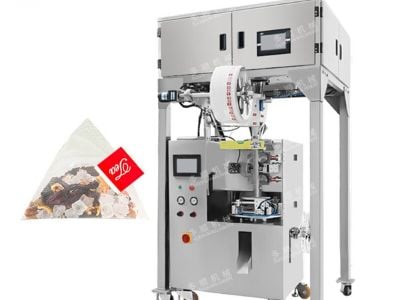
Optimizing the changeover process for automatic capsule filling equipment is crucial for manufacturers aiming to enhance efficiency and minimize downtime. As a B2B buyer, you may be concerned with the adaptability of the equipment to various formulations, the speed of changeovers, and the overall productivity improvements. This article will guide you through the essential considerations for selecting and optimizing automatic Capsule Filling Equipment, ensuring you make informed decisions tailored to your operational needs.
How to Choose the Right Capsule Filling Equipment Supplier?
Selecting the right supplier for automatic capsule filling equipment involves evaluating several critical factors. Start by assessing the supplier's manufacturing capabilities and experience in your industry. Ideally, the supplier should have a proven track record in producing Capsule filler equipment that meets GMP (Good Manufacturing Practice) guidelines, ensuring compliance with industry standards.
Request detailed information about the supplier's certifications, such as CE and ISO, which signify adherence to quality and safety standards. Additionally, inquire about their customization capabilities. A supplier that can tailor equipment to meet specific production requirements such as different capsule sizes or filling materials can provide significant advantages in optimizing the changeover process.
Finally, consider the supplier’s support services, including training, installation, and maintenance. A supplier who offers comprehensive after-sales support can help troubleshoot issues quickly, minimizing downtime during changeovers.
Key Specifications for Automatic Capsule Filling Machines
When evaluating automatic capsule filling machines, there are several key specifications to consider that impact their performance and efficiency:
Filling Accuracy: This specification indicates how precisely the machine dispenses the filling material into the capsules. High accuracy is essential to ensure product consistency and minimize waste. Look for machines with advanced control systems that allow for precise adjustments.
Changeover Time: The time it takes to switch from one capsule type or filling material to another can significantly affect production efficiency. Machines designed for quick changeovers typically feature modular designs and easy-to-adjust components.
Production Capacity: Assess the machine’s output rate, which is usually measured in capsules per minute. Ensure that the capacity aligns with your production goals to avoid bottlenecks.
Material Compatibility: Ensure that the equipment can handle the specific materials you intend to use for encapsulation, whether they are powders, granules, or liquids. The material's properties can affect the filling process and the machine's components.
Size and Dimensions: The physical dimensions of the machine are vital, especially if space is limited in your production facility. Verify that the machine fits within your production layout and allows for safe operation and maintenance access.
Understanding these specifications will help you determine which capsule filling machines are best suited for your production environment.
Cost Factors to Consider for Bulk Capsule Filling Orders
When planning bulk orders of capsule filling equipment, several cost factors come into play that can impact your overall budget:
Initial Purchase Price: This includes the base cost of the machine and any additional features or customizations you may need. It's important to consider the long-term value of the investment, rather than focusing solely on the lowest price.
Operational Costs: Evaluate the cost of energy consumption and maintenance associated with the equipment. Capsule Filling Device that are energy-efficient and require less frequent servicing can reduce operational expenses significantly.
Changeover Costs: The time and labor required for changeovers can add to the overall cost. Investing in equipment designed for quick and easy changeovers can result in considerable savings over time.
Training Expenses: Consider the costs associated with training your staff to operate the new equipment. A supplier that provides comprehensive training can help minimize mistakes and improve efficiency from the outset.
Warranty and Support: Ensure you understand the warranty terms and the costs for ongoing support. A robust warranty can protect your investment and reduce unexpected expenses in the future.
By carefully assessing these cost factors, you can make a more informed decision that aligns with your budget and operational needs.
Applications of Capsule Filling Equipment in Various Industries
Automatic capsule filling equipment finds applications across several industries, each with unique requirements:
Pharmaceuticals: In the pharmaceutical sector, precision and compliance with regulatory standards are paramount. Capsule filling machines are used to encapsulate powders, pellets, and liquids, ensuring accurate dosing and product integrity.
Nutraceuticals: This industry often requires the filling of herbal and dietary supplements into capsules. Automatic equipment can handle various formulations, ensuring consistent quality and dosage.
Cosmetics: Capsule filling is also prevalent in the cosmetics industry for products like powdered foundations or skin treatments. The ability to customize the capsule size and filling allows brands to differentiate their products.
Food Industry: In the food sector, capsule filling equipment can be used for encapsulating flavorings, supplements, or functional additives. The equipment must be designed to handle food-safe materials and comply with health standards.
Understanding the specific applications of capsule filling equipment helps buyers select machines tailored to their industry needs and regulatory requirements.
Where to Source Reliable Capsule Filling Equipment for Wholesale?
Sourcing reliable capsule filling equipment often begins with thorough research and networking within your industry. Here are some practical steps to identify trustworthy suppliers:
Industry Trade Shows: Attending industry-specific trade shows can provide opportunities to see equipment in action and meet suppliers face-to-face. Engage with exhibitors to discuss your specific needs and evaluate their offerings.
Online Marketplaces: Websites specializing in B2B transactions can be valuable resources for comparing different manufacturers. Look for platforms that feature reviews and ratings from other buyers to gauge supplier reliability.
Industry Associations: Reach out to relevant industry associations or groups. These organizations often provide directories of reputable suppliers and can offer recommendations based on members' experiences.
References and Case Studies: Ask potential suppliers for references or case studies from similar businesses. This can provide insights into their capabilities and customer satisfaction levels.
Supplier Audits: If possible, conduct site visits or audits of potential suppliers. This allows you to assess their manufacturing capabilities, quality control processes, and overall operational standards.
By following these steps, you can identify suppliers that not only offer high-quality capsule filling equipment but also align with your operational goals and standards.
Table of Contents
- How to Choose the Right Capsule Filling Equipment Supplier?
- Key Specifications for Automatic Capsule Filling Machines
- Cost Factors to Consider for Bulk Capsule Filling Orders
- Applications of Capsule Filling Equipment in Various Industries
- Where to Source Reliable Capsule Filling Equipment for Wholesale?
