
 EN
EN
 AR
AR
 BG
BG HR
HR
 CS
CS
 DA
DA
 NL
NL
 FI
FI FR
FR
 DE
DE EL
EL
 IT
IT KO
KO
 NO
NO PL
PL PT
PT RO
RO
 RU
RU
 ES
ES
 SV
SV
 TL
TL
 IW
IW
 ID
ID
 LV
LV
 SR
SR
 SL
SL
 UK
UK VI
VI
 HU
HU
 TH
TH
 TR
TR
 FA
FA
 AF
AF
 MS
MS
 GA
GA
 BE
BE
 IS
IS
 HY
HY
 BN
BN
 LO
LO
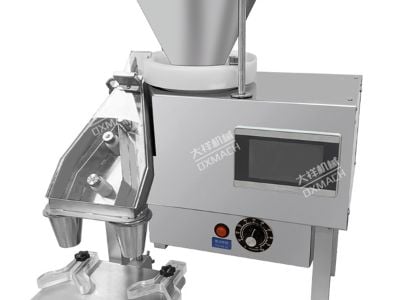
Kleifur efni geta verið erfitt að vinna með í sjálfvirkum kappsúlufyllingarvélar. Slíkar útbreiðslur innihalda oft hluti sem vantar góðar flæðieiginleika, sem gerir jafnvægilega fyllingu á kappsúlum erfiða. Þegar blandað er við hátt sýringargildi getur hún fest sig við búnaðinn og aldrei lendst í kappsúlurnar. Þetta getur leitt til biðtíma og waste, sem ekki er gott fyrir fyrirtæki eins og DAXIANG. Rétt meðhöndlun kleifra útbreiðsla er nauðsynleg fyrir sléttgang framleiðslu.
Af hverju eru kleifar útbreiðslur vandamál við fyllingu kappsúla?
Framleiðsla kleifra vara felur margt vandamál í fyllingarvélunum. Hvernig efnið hegðar sig er eitt stórt vandamál. Inniheldur getur ýmsar tegundir af duft eða pasta sem mynda klump. Það er að segja, þau flæða ekki frjálslega. Þegar þau flæða ekki geta þau losnað í vélunum. Til dæmis, ef útbreiðsla hefur hátt magn af raka, verður hún enn kleifari. Þetta gerir vélunum erfiðara fyrir að ýta efni í Kapslu fyllari . Annað vandamál er blokkar vegna klibbra efna. Sum af þessu klibbri efni getur fest sig í einhverju hluta vélarinnar meira en á ætti, sem gerir alla ferlið hægri. Vinnumenn þurfa hugsanlega að stöðva vélina og hreinsa hana, sem eyðir tíma. Þetta er sérstaklega erfitt við framleiðslulöng þegar það getur haft í för með sér brot á tímasetningum. Tannhjól geta einnig slitið snemma þegar unnið er við klibbrig efni, sem getur leitt til aukinna viðgerða- eða skiptikostnaðar. Fyrirtæki eins og DAXIANG verða að komast að því hvernig á að forðast slík mistök. Annauðlega lausn er að hylja vélarhlutanna sem eru útsettir fyrir samsetningunum með sérstökum hylkjum. Slíkir hylkar gætu minnkað klibbig og bætt árennsli. Hægt er einnig að breyta samsetningunni. Fyrirtæki geta bætt við inniheldunarefnum í blandað til að minnka klibbig. Þetta getur hjálpað til við betra árennsli og betri fyllingu kapsla.
Algeng notkun og vandamál með klibbrigum dufti í kapslufyllingum
Það er einnig oft að nota óþægilega samsetningar sem valda ýmsum notkunarvandamálum. Í fyrsta lagi getur það tekið lengri tíma að fylla. Þegar efnið þéttist tekur vélum lengri tíma að fylla hvern hylki. Þetta þýðir minni neyslu á fylltum hylkjum á tilteknum tíma. Fyrir fyrirtæki sem eiga erfitt með að ná framleiðslumarkmiðum getur það verið stórt vandamál. Svo er það gæðamál. Ef límandi fyllingin er ekki jafnt skipt út gætu sumir hylkjurnar orðið styttir eða um leið fengið of mikið af vöru. Þessi misræmi getur valdið vonbrigðum hjá viðskiptavinum og haft neikvæð áhrif á sölu. Önnur vandamál snúast um reglulegri þrif vélanna. Ef eftir er að koma úr vélinni getur það skilað eftir sig eftirgang sem gerir það nauðsynlegt að starfsmenn þrífa vélina oft. Þetta er því langtímalegt ferli og getur truflað framleiðsluáætlunina. DAXIANG veit ađ halda Smátt Kapsulfyllivél að vera fyrirbættur og í lagi er forgangsröðuð málshugmynd, jafnvel þó svo að það geti verið vandamál. Og svo eru einnig öryggisáhyggjur til staðar. Þegar vélar stoppast, myndast klámur eða verri skaði getur komið á búnaðinn. Vinnumenn verða að vera varir við að losa slíka klámur þar sem hætta getur verið mikil. Til að leysa þessi vandamál gætu fyrirtæki veitt endurnámskennslu starfsmönnum sínum. Vinnumenn sem kunna sviðið sitt geta betur haft við klistruð föggun og gert ráð fyrir að tæki virki eins og ætlað er. Klistruð vöru í kapslufyllingum, alls konar klistruð föggun í kapslufyllingum krefst smá viðhalds og smá smárings.
Handbók um að hámarka kapslufyllingu fyrir klistruðar vörur
Fyllingar á hylki með klíðruðum blöndum og nokkrar ábendingar fyrir auðveldari fyllingu. Þegar fyllt er í hylki með tyggjulíkum eða klumpuðum efnum, þá er einn mikilvægasti hluturinn sem á að skynja sér að þetta er framkvæmanlegt. Deig og bleytur sem eru aðeins klíðruð geta verið vandræðalegar, þar sem þær geta myndað klumpa á yfirborði eða hliðum og fest sig í búnaði á hátt sem er erfitt að fjarlægja. Val á viðeigandi búnaði er fyrsta skrefið til að lágmarka vandamál við fyllingu hylkja tengd slíkum efnum. Fyrirtækið DAXIANG býður upp á búnað sem er sérsniðinn fyrir meðhöndlun vara með mikla klistrunareiginleika. Slíkar vélar geta gert ráð fyrir að innihaldsefnin haldi á jafnri hreyfingu og koma í veg fyrir að þau myndi klumpast saman.
Næsta sem á að huga að er hitinn. Að hlýja smá fyrir nokkrum af klíðru efnunum getur haft áhrif á að þau hreyfist frekar laust. En verið varir! Ef þau verða of heit, gætu þau breytt lit og ekki verið jafn áhrifamikil. Vélar DAXIANG geta stjórnst hitanum, sem þýðir að efni eru alltaf í bestu standi fyrir fyllingu.
Einhver önnur möguleikinn er að bæta við smá magni af flæðigildi. Flæðigildi er eitthvað sem gerir klíðru efnum kleift að losna betur. Þetta gæti verið til dæmis duft sem festist ekki við kúlurnar. Smá getur oft verið nóg.
Að lokum þarf að hreinsa búnaðinn reglulega. Klistruð efni geta skilið eftir afleiringu sem getur valdið vandamálum í næstu úrslitaraðferð. Framúr DAXIANG vöruhámarksgæða efni, sem gerir hreinsun auðveldari og bakteríudauðandi. Þú getur náð hámarksnámningu á kapslufyllingu og allt fer eins og áætlað er með því að fylgja nokkrum ráðleggingum um hvernig skal fylla í kapslur og hvaða hluti ætti að forðast til að komast ekki í vandræði.
Rannsókn á áhrifum klistruðra innihaldsefna á fyllingarafköst í kapslufyllingu
Klistruð innihaldsefni geta valdið miklum vandræðum í afköstum við fyllingu kapsla. Þegar innihaldsefnin eru of klistruð geta þau blokkað vélbúnaðinn. Þetta getur dregið úr framleiðslu og eytt tíma og efnum. Auk þess geta klistruð innihaldsefni leitt til ójafnvelgrar fyllingar, sem veldur því að sumar kapslur eru undirfylltar. Þetta getur verið mjög vandamál, sérstaklega ef þú ert að búa til eitthvað sem þarf að vera nákvæmt eins og lyf.
Áður en þú keyrir DAXIANG vélar ætti að hafa í huga hegðun kornlegrar efnisins við fyllingu. Til dæmis getur verið að starfsemi stöðvast ef Kópflokkaþjónustur er loskað. Þetta getur leitt til biðtíma og aukinnar kostnaðar. Og ef innihaldsefnið festist við vélina getur verið erfitt að hreinsa það – sem þýðir að lengri tími tekur að hefja næstu lotu.
Auk þess geta kleifri innihaldsefni breytt tímabili fyllingarinnar. Ef vélina verður að stöðva og endurræsa vegna loskunar, dragst ferlið út. Þess vegna er gagnlegt að vita hvernig á að bregðast við kleifum efnum. Gerð góðrar gæði með réttum gerðum af tólum getur hjálpað til við að draga úr þessum vandamálum, eins og DAXIANG býður upp á. Þessar krossar eru traustar vélar sem eru hönnuðar til að krossa til betri stærð og getu lokapróduktsins í erfiðustu forsendum fyrstu krossunar til að ná ótrúlegri framleiðslu.
Auk þess er mikilvægt að æfa starfsfólk sem vinnur með vélinum. Þeir þurfa að skilja hvernig á að kenna við hvort inniheldingsefni hafi byrjað að kleifast of mikið og hvað þeir geta gert til að leysa það fljótt. Með því að læra hvernig kleifandi efni geta haft áhrif á ferlið og síðan vinna að lágmarka þau, geturðu forðast slíkar vandamál alveg og að lokum bætt árangri ferlisins.
Hvað verða matvörusölur að vita um kleifar uppskriftir og vélbúnað?
Fyrir kaupendur í heild, ættuðuð að vera varir kleifum formúlum. Ef þið leitið að bestu vélinni fyrir innfyllingu fýluga í kapslur, ættiðuð að huga að því hvernig kleifar vöru geta haft áhrif á framleiðslu. Þykkari gerðir geta verið erfiðari til að fylla rétt í kapslur, sem getur leitt til vandamála við gæði og samræmi dosunar. Þess vegna er mikilvægt að velja birgju eins og DAXIANG sem skilur þessi áskoranir og veitir rétta búnað.
Til að byrja með, skal hafa í huga hvaða gerð af vörum þú ætlar að kaupa. Ef þær eru fullar af klibbri efni – til dæmis nokkur lyfjagras eða syrpar – þá þarftu fyllingarbúnað sem hentar slíkum innihaldsefnum. DAXIANG býður fram um nýlingavélir sem eru sérhannaðar fyrir klibbrig efni fremur en venjulegar nýlingafyllingarvélir. Þetta getur koma í veg fyrir vandræði og tryggt að þú fáir nákvæmlega vörunar sem þú þarft.
Auk þess er samskipti lykilatriði. Spurðu birgjuveiturnar þínar um formúluna fyrir klibbrigum efnum. Spurðu þær um reynslu sína með slíkum vörum og hvaða búnaði þeir nota. Ef lausnir eru til staðar, og birgjuveitandi hefur þær, þá vinnið saman við þær til að fá upplýsingar sem þú þarft til að taka vel undirbúin ákvarðanir. Þær munu einnig kenna þér hvernig hægt er að gera innihaldsefni klibbrig og hvaða áhrif það getur haft á levertíma (og gæði vöru þinnar).
Að lokum, en ekki síst, skaltu ganga úr skugga um að leita að umsögnum/eftirtektum frá öðrum kaupendum. Þetta er eitthvað sem þú getur leitað að til að sjá hvaða árangur birgið hefur fyrir birgðavara (t.d. DAXIANG) í stjórnun á vanda við klíðruð vöru. Að skilja hvernig þeir takast á við þessa áskoranir getur gefið þér meiri traust til kaupa þinnar. Þegar heildsvöruverslunarmenn skilja af hverju innihaldsefni geta verið klíðruð og hvaða búnaði skal nota, geta þeir líða öruggari þegar þeir láta framleiða vöru sem uppfyllir háar kröfur.
Efnisyfirlit
- Af hverju eru kleifar útbreiðslur vandamál við fyllingu kappsúla?
- Algeng notkun og vandamál með klibbrigum dufti í kapslufyllingum
- Handbók um að hámarka kapslufyllingu fyrir klistruðar vörur
- Rannsókn á áhrifum klistruðra innihaldsefna á fyllingarafköst í kapslufyllingu
- Hvað verða matvörusölur að vita um kleifar uppskriftir og vélbúnað?
