
 EN
 AR
 BG
 HR
 CS
 DA
 NL
 FI
 FR
 DE
 EL
 IT
 KO
 NO
 PL
 PT
 RO
 RU
 ES
 SV
 TL
 IW
 ID
 LV
 SR
 SL
 UK
 VI
 HU
 TH
 TR
 FA
 AF
 MS
 GA
 BE
 IS
 HY
 BN
 LO
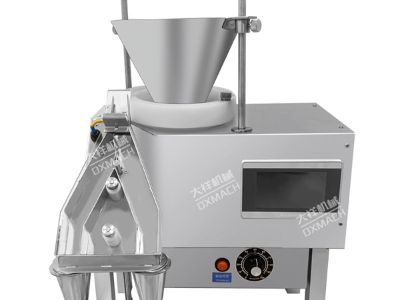
A reliable brake system on a tablet compression machine is critical for ensuring the safety and efficiency of pharmaceutical manufacturing processes. This article will explore the importance of such systems, addressing key concerns for B2B buyers, including quality, selection criteria, and sourcing options. By understanding these aspects, purchasing managers and engineers will be better equipped to make informed decisions regarding brake systems in tablet compression machinery.
The Role of a Reliable Brake System in Tablet Compression Machines
In tablet compression machine, the brake system plays a vital role in controlling the speed and stopping the movement of the compression tooling. A reliable brake system ensures that the tablet dies and punches are positioned accurately, preventing misalignment that could lead to defective tablets. It also helps in maintaining the necessary pressure during the compression process, which is essential for ensuring consistent tablet hardness and quality.
Moreover, a robust brake system is crucial for workplace safety. If a machine malfunctions or stops unexpectedly, a well-functioning brake system can prevent accidents and equipment damage. This is particularly important in high-speed production environments where quick stopping responses are necessary to avoid catastrophic failures. Therefore, investing in a high-quality brake system is not only a matter of operational efficiency but also a critical safety consideration.
How to Choose the Right Brake System for Your Compression Machine
Selecting the right brake system for a tablet compression machine involves several critical factors that purchasing managers should consider. First, assess the braking mechanism type whether it is pneumatic, hydraulic, or electric. Each type has distinct advantages and may be better suited to different operational requirements. For instance, pneumatic brakes are often favored for their quick response times, while hydraulic systems might offer smoother operation under high loads.
Next, evaluate the brake system's compatibility with your specific compression machine model. Not all brake systems are interchangeable, and using an incompatible system can lead to operational inefficiencies or even damage. Understanding the machine’s specifications, such as the required torque and braking force, is essential for making an informed choice.
Customization options are also worth considering. Many manufacturers offer tailored solutions that can be adjusted to meet specific production needs, such as unique packaging requirements or varying tablet sizes. Engaging with suppliers to discuss customization capabilities can lead to better performance and efficiency in your manufacturing process.
Evaluating the Quality of Brake Systems in Manufacturing Equipment
Quality evaluation of brake systems involves scrutinizing several key attributes. Start with materials high-quality tablet compression brake systems typically utilize durable materials such as reinforced composites or high-grade metals that can withstand wear and tear over time. In addition, the manufacturing process should meet rigorous standards, often verified through certifications like ISO and CE, which can indicate compliance with international safety and quality benchmarks.
Another aspect to consider is the testing and quality control processes employed by the manufacturer. A comprehensive quality assurance protocol that includes testing for durability, performance under load, and resistance to environmental factors (e. g., temperature variations) can provide confidence in the brake system's reliability.
Finally, it’s beneficial to review customer feedback and case studies from other users in similar industries. This feedback can provide insight into the brake system's real-world performance, highlighting any common issues or advantages that may influence your purchasing decision.
Where to Source High-Quality Brake Systems for Bulk Orders
Sourcing high-quality brake systems requires identifying reputable manufacturers and suppliers. Start by seeking companies that specialize in industrial machinery components, as they often have the necessary expertise and product range. Guangzhou Daxiang Electronic Machinery Co., Ltd. is a prime example, as it specializes in manufacturing equipment tailored for the food, healthcare, chemical, and cosmetics industries, including tablet compression machines with advanced braking systems.
When sourcing for bulk orders, inquire about the manufacturer’s production capacity, lead times, and minimum order quantities (MOQ). Understanding these factors will help you plan your inventory and production schedules effectively. Additionally, ensure that the supplier can provide customization options to meet your specific requirements.
It's also wise to request samples for testing before committing to a large order. This allows you to assess the brake system's performance under your operational conditions, ensuring it meets your expectations before full-scale implementation.
Cost Factors to Consider for Brake Systems in Compression Machines
When evaluating the cost of brake systems for pill compressor machine, several factors come into play. First, consider the initial purchase price, which can vary significantly based on the system's type, material quality, and any customization features. While a lower-cost option may seem attractive, it is essential to assess the long-term value, including the system's durability and maintenance requirements.
Next, factor in the potential costs associated with installation and integration. Some brake systems may require specialized installation techniques, which could incur additional labor costs. Additionally, consider the impact of downtime during installation on your overall production efficiency.
Finally, maintenance costs should not be overlooked. Reliable brake systems will likely require less frequent maintenance, translating into lower operational costs over time. Evaluate the manufacturer’s recommendations for maintenance schedules and the availability of replacement parts, as these can also influence the total cost of ownership.
By taking these cost factors into account, B2B buyers can make more informed decisions that align with their budgetary constraints while ensuring that they invest in high-quality brake systems that support operational efficiency and safety.
Table of Contents
- The Role of a Reliable Brake System in Tablet Compression Machines
- How to Choose the Right Brake System for Your Compression Machine
- Evaluating the Quality of Brake Systems in Manufacturing Equipment
- Where to Source High-Quality Brake Systems for Bulk Orders
- Cost Factors to Consider for Brake Systems in Compression Machines
