
 EN
 AR
 BG
 HR
 CS
 DA
 NL
 FI
 FR
 DE
 EL
 IT
 KO
 NO
 PL
 PT
 RO
 RU
 ES
 SV
 TL
 IW
 ID
 LV
 SR
 SL
 UK
 VI
 HU
 TH
 TR
 FA
 AF
 MS
 GA
 BE
 IS
 HY
 BN
 LO
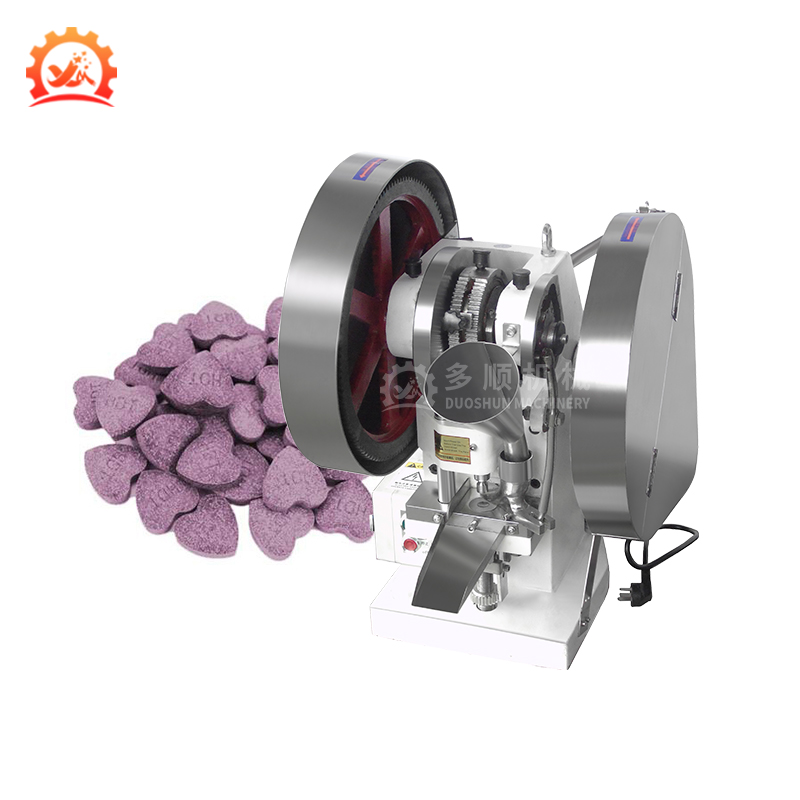
Scaling up production from a small tablet press machine to a rotary line is a significant step for manufacturers aiming to increase efficiency and output. This transition involves careful consideration of various factors, including equipment selection, production capabilities, and cost implications. Buyers often seek clarity on specifications, customization options, and the overall upgrade process to ensure a smooth transition. This article will guide you through key considerations and practical insights for successfully scaling your production.
How to Choose the Right Rotary Line for Increased Production
Selecting the right rotary line begins with understanding your specific production needs. Consider the following factors:
Production Capacity: Evaluate the maximum output required based on current and projected demand. Rotary lines typically offer higher throughput than tablet presses, making them suitable for larger production runs.
Product Specifications: Different rotary tablet machine are designed for various product types, including tablets, capsules, and powders. Ensure the line can accommodate your product’s size, shape, and weight specifications.
Customization Options: Many manufacturers, including Guangzhou Daxiang Electronic Machinery Co., Ltd., offer customization services for molds and specifications. This flexibility can enhance efficiency and ensure compatibility with your existing processes.
Technological Features: Look for rotary lines equipped with advanced technology for better precision and efficiency. Features such as real-time monitoring systems can improve quality control and reduce downtime.
Compliance and Certifications: Ensure that the rotary line meets necessary industry standards, such as GMP (Good Manufacturing Practices) and holds relevant certifications like CE and ISO. This compliance is crucial for maintaining product quality and safety.
What to Consider When Upgrading from Tablet Press to Rotary Line
Upgrading from a tablet press to a rotary line entails several considerations to ensure a successful transition:
Production Volume: Analyze your production volume to determine if the rotary line can meet your future demand without compromising quality. A rotary line is ideal for high-volume production but requires an initial investment.
Floor Space and Layout: Assess your facility’s layout to accommodate a rotary line, which may require more space than a tablet press. Ensure that the new setup allows for efficient workflow and easy maintenance access.
Staff Training: Transitioning to a rotary line may necessitate additional training for your staff. Ensure they are familiar with the new machinery, including its operation and maintenance requirements.
Integration with Existing Equipment: Evaluate how the rotary line will integrate with your current production setup. Compatibility with existing systems can minimize disruption and improve overall efficiency.
Cost Analysis: Conduct a thorough cost analysis, considering not just the upfront cost but also long-term operational costs, including maintenance, labor, and energy consumption.
Rotary Line vs. Tablet Press Machines
Understanding the differences between rotary lines and tablet presses can aid in making an informed decision:
Output Capacity: Rotary lines are designed for high-volume production, significantly surpassing the output of tablet presses. This makes them suitable for larger manufacturing operations.
Production Complexity: Rotary press machine can handle more complex product formulations and faster production speeds, allowing for increased versatility in product offerings.
Machine Configuration: Rotary lines often require more intricate setups and adjustments compared to tablet presses. This complexity can lead to longer setup times but offers higher efficiency once operational.
Quality Control: Rotary lines typically incorporate advanced quality control systems that can monitor production in real-time, ensuring consistent product quality.
Cost Considerations: While rotary lines may have higher initial costs, their efficiency and output capabilities can lead to lower per-unit production costs over time.
Cost Factors to Consider When Scaling Production Equipment
When scaling up production equipment, several cost factors should be evaluated:
Initial Investment: The upfront cost of purchasing a rotary line can be substantial. It’s essential to consider not only the machine price but also installation, training, and any necessary modifications to your facility.
Operational Costs: Assess ongoing operational costs, including energy consumption, maintenance, and labor. Rotary lines may require more specialized maintenance, which can increase long-term costs.
Production Efficiency: Calculate the cost per unit produced with both tablet presses and rotary lines. Higher efficiency in rotary lines can lead to significant savings over time.
Customization Needs: Depending on your product requirements, additional costs may arise from customizing the rotary line to fit your production needs.
Return on Investment (ROI): Analyze the potential ROI from scaling up production. This involves estimating increased sales revenue from higher output and improved market competitiveness.
Where to Source Reliable Rotary Line Suppliers for Your Needs
Finding reliable rotary line suppliers is crucial for ensuring a successful upgrade. Here are some tips for sourcing:
Industry Reputation: Look for suppliers with a strong reputation in the industry. Research customer reviews and case studies to gauge their reliability and support services.
Product Range: Choose suppliers that offer a variety of high speed rotary tablet press tailored to different production needs. This range can provide options for customization and scalability.
Technical Support and Service: Ensure that the supplier offers comprehensive technical support and after-sales services. This support can be invaluable during installation and maintenance.
Certifications and Compliance: Verify that potential suppliers have the necessary certifications, such as CE and ISO, which ensure that their products meet industry standards for quality and safety.
Customization Capabilities: Suppliers like Guangzhou Daxiang Electronic Machinery Co., Ltd. that offer customization services can help tailor the rotary line to fit specific operational needs, enhancing compatibility and operational efficiency.
By carefully considering these aspects, you can make informed decisions when scaling up production from a small tablet press machine to a rotary line. This transition can significantly enhance your production capabilities, allowing for increased efficiency and output tailored to your business needs.
