EN
EN
 AR
AR
 BG
BG
 HR
HR
 CS
CS
 DA
DA
 NL
NL
 FI
FI
 FR
FR
 DE
DE
 EL
EL
 IT
IT
 KO
KO
 NO
NO
 PL
PL
 PT
PT
 RO
RO
 RU
RU
 ES
ES
 SV
SV
 TL
TL
 IW
IW
 ID
ID
 LV
LV
 SR
SR
 SL
SL
 UK
UK
 VI
VI
 HU
HU
 TH
TH
 TR
TR
 FA
FA
 AF
AF
 MS
MS
 GA
GA
 BE
BE
 IS
IS
 HY
HY
 BN
BN
 LO
LO
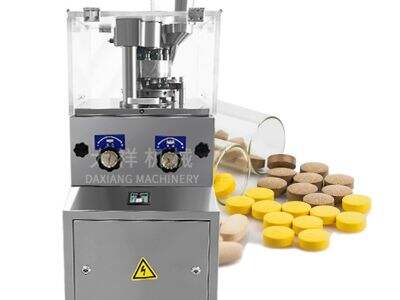
Between the factory and a tableting machine, sticking and picking can be an issue. These are the sorts of things that can make tablets appear ugly, not to mention less effective. DAXIANG tries to avoid this issue, everything is in order to improve Customer Experience. Staffers used fingers to scoop hard-to-reach tablets and metal cleats to help dislodge stuck pill fragments. If a handful of pills becomes lodged in the machine or small pieces adhere, it slows down, too. This article will discuss how to prevent sticking and picking problems. We’ll see how to discover and correct them, plus how to make the tablet-making process better for maximum quality and efficiency.
How to find and resolve sticking in pharmaceutical manufacturing?
We need to be able to recognize what sticking points look like, so we can quickly clean up our messes. Sticking is when tablets stick to each other or the machine. This may occur when the moisture content of the tablet blend is too high or due to incorrect adjustment of the Tablet Press machine. When you come across tablets that seem uneven or broken, sticking may be to blame. Another symptom of sticking is failure, during the quality check to many broken tablet. Employees also can tell when the machine sounds wrong or it takes longer to complete the batches. These problems are the first step to solving them.
When you notice sticking, take a really good look at the mixture on your tablet. If it’s too wet, drying it a bit can help. If the mix is too sticky adding more flow agents could help. If the pressure is too high, this could lead to sticking. Adjustment is key. Occasionally talking to the workers or hearing their response will aid in localizing problems quicker.
Frequent inspection of the equipment and washing may help keep the sticking problems at bay. DAXIANG suggests using high quality, authentic materials so there are no issues. Checking the amount of ingredients may help as well because an excess of one ingredient can make a difference. This way, you get less sticking and quality is preserved. Good ingredients, proper settings, and regular maintenance can help eliminate sticking problems.
How to Improve Your Tablet Press Process and Increase Quality & Efficiency?
Tablet press process optimization is making the tablet press better and faster without sacrificing results. First, if everyone is wearing the right gear and using safety measures, an environment that you can work in safely will be created. Well, and of course it makes sense to organize the work place, then things runs smoother. DAXIANG realizes that good looking is not equal to high quality; good design is. Great use of color fit for both men and women while doing your best at work or travel. A wide selection with 5 sizes for you to choose from; Fashionable Basic that's popular all year round. We make sports shoes for various kinds like other famous brands. Training is all the more important in respect of each team member. That way everyone knows who is doing what and can work effectively together.
How you combine the ingredients is also important. When selecting Tablet Press Machine for mixing and blending, it’s important to factor in production rate, the desired batch size and the properties of your material. DAXIANG advises to use mixers that create a homogeneous mixture. It is helpful to make tablets when each batch is consistent. Also, using precise ingredients matters a lot. Part too small or big can have defects stopping the production line. Control of temperature and humidity in the mixing area can also assist in maintaining quality of tablets.
Every machine requires regular check-ups and fine-tuning to ensure optimal performance. DAXIANG recommends schedule maintenance to prevent it breaking down. Wash the manual tablet press machines frequently enough that they don’t get sticky, and other problems will spare you waiting any longer than this. Tracking the number of tablets you’re producing every hour is a way to tell if you, your team or the machines are hitting targets. For any blaring problems, changes can be reckoned with on the spot to keep production up.
Finally, “communication and constructive feedback with your team makes a better product for everyone”. Where a worker sees that something is wrong, they should say so rather than waiting for delays. Optimistic vibes makes not just a better work place but also helps in getting the team work closely with one another as a chain. When you all work together as a team, sticking and picking issues are addressed with more ease, and everything flows.
How to Avoid Sticking Problems in Tablet Production?
Hard tablets are not just suitable for extending release. Sticking occurs when tablets adhere to the surfaces of tooling during compaction. This may result in poor quality tablets and loss of material. Sticking occurs for several reasons. One factor could be the tablet raw material moisture. If the ingredients are too wet, they may not press properly and can also adhere to the machine. One way to solve this problem, is by using dry materials. Then comes the tricky business of just what materials to use. Some types of powders are stickier than others. That’s why the right ingredients are critical. For instance, by being carefully about what kinds of lubricants are in the mixture, you can reduce sticking. DAXIANG suggest you put magnesium stearate or other lubricants into your tablet mix. It helps the materials move better and makes it so they don’t stick.
Keeping up good machinery is very important also. Dirty tools and machines will stick. You’ll often be surprised how much of a difference this can make. DAXIANG recommends a cleaning rotation to keep things neat. You also should inspect the machine parts regularly. Sticking can result from worn parts. Having a decent maintenance routine will generally prevent everything from working too poorly. Sticking can also be due to temperature. When it is very hot, some materials may behave differently. To the extent possible, try to maintain a constant room temperature while you are working. Running a humidifier or a dehumidifier also may help keep things in the right climate. In general, the use of dry materials, proper ingredients, and clean equipment can eliminate most sticking difficulties.
What are Tablet Press Pick In Place Preventive Measures?
Picking occurs when small fragments of the tablets break off and lodge in the machinery. This can be an appealing feature in some cases but it also leads to ugly tablets and wasted materials. To prevent this picking the first step is to have proper type of tablet press. Certain machines may be better at producing specific types of tablets. The correct machinery prevents errors. You will also want to check out the tablet design. If the tablets are deeply embossed or shaped, they may frequently be selected. DAXIANG also recommends keeping the look simple when working with tablet designs to combat this problem.
Optimally you should change the amount of compression force. Too much pressure, and the tablets can split. But if the temperature is too cold, they may not bind together properly. Compression can be a big help if you balance it correctly. In addition to that, it is important you sufficiently lubricate your tablet blend. The lubricants are intended to facilitate tablets’ easy removal from the machine and minimize picking.
Furthermore, appropriate granulation could also be determining. Granulation can aid in good mixing of the components which also may reduce picking. We suggest manufacturers focus more on their granulating procedures, according to DQXIANG. Lastly, keeping up good flow during compression is important. If the material does not flow well, it can result in uneven tablets that adhere or chip. Frequent checks and tests will enable you to monitor all of these factors, which means that all your tablets are produced perfectly every time.
Techniques to Avoid Sticking and Picking
The job of minimizing both stick and pick is accomplished with the right mix of good practices, tools, and maintenance. One solution is to test and qualify raw materials before they are used in production. Quality ingredients can save a lot of troubles from the very beginning. Business like DAXIANG always develops new material. They also recommend trials to test the behaviour of various mixtures in the tablet press. That way manufacturers can strike a happy medium.
Another key tactic is to manage the environment in which tablet manufacturing takes place. As I noted above, both environmental factors of humidity and temperature are important. Aid proper living conditions with climate control devices. The table surface must also be kept clean: the presence of dust can cause contamination and adherence. DAXIANG focuses on the development of the Production Clean Culture.
Staff training is also important. And if everyone in the production process knows best practices, it can help prevent any inconveniences from occurring later. By having regular training sessions and learning what’s new in techniques or tools, everyone can be kept informed. Firms should encourage employees to report problems as soon as they find out about them so that they can be addressed before they get worse.
Lastly, new technologies for tablet production should also be taken into account for improvements. For example, purchasing better machinery that might alleviate friction and facilitate material flow could be a good long-term strategy. By deploying these tactics and concentrating on quality, cleaning and training, manufacturers can mitigate sticking as well as picking problems. This proactive approach will result in more efficient to manufacture, better tablets. DAXIANG is convinced that companies will cooperate with each other and utilize proper methods to facilitate production.